








“I have suffered a misfortune, she told herself; I haven’t committed a crime.”
Harriet and David are a picture of marital bliss and a nightmare for population control fanatics. The young couple’s ambition is modest – they want to fill their sprawling house with many, many children. Harriet has no aspirations for a career and David is paid just enough for the family to survive. But he has a wealthy father whose guilt and affection goad him into financing his son’s dreams – to have a house big enough to accommodate them all and readily accessible funds for a rainy day. Nearly free of any material responsibility, the young couple welcomes four children within six years of their marriage.
Blessed with uncomplicated pregnancies and sweet, obedient children, Harriet is in for a shock when she’s pregnant for the fifth time. Thus begins the trouble of an English suburban family in Doris Lessing’s 1988 novel, The Fifth Child.
A prelude
The latest pregnancy is painful and arduous – it feels less like a harbinger of new life and more like a prelude to lifelong misery. The baby starts to kick as early as the fifth month of the pregnancy, but the gynaecologist assures Harriet that while the baby might be “large”, it is not “abnormally so.” It is the first time she takes a sedative – something that will become routine as her pregnancy progresses and later when the child is born. She is “locked in to survive” with this “creature.” The cracks start to appear through unexpected changes – Harriet, who until now preferred homebirth, insists on a hospital when she goes into labour. The couple names the baby Ben and he’s described thus: “muscular, yellowish, long,” with “greeny-yellow eyes” and a “sloped” forehead. The child does not cry or mewl; his abnormality is gauged through the sounds he utters, which are best described as “roars.” The extended family finds it hard to warm up to the new baby, and Harriet can’t bring herself to love Ben the way she loves her other children. She observes him as one would an alien or fascinating specimen: Is Ben a changeling, a goblin, a “hostile little troll,” she wonders. At first, she would be racked by guilt and try to make up by cuddling him. But as the child gets increasingly unyielding to any form of affection, Harriet finds herself stoic as she wishes death on Ben.
The baby, massive for his age and inexplicably energetic, grows into a lumbering toddler. His first words aren’t Mummy or Daddy, but a forceful demand – “I want cake.” His petulant attitude does not inspire any indulgent feelings from his family; if anything, it seems completely in tune with his rustic physical appearance – his sloping head, hunched shoulders, and clenched fists. The child seems to be inflating in size by the day, and getting even meaner, crueller. He is kept in his cot like a prisoner and Harriett refuses to breastfeed the nipple-biting baby. The domestic bliss, in which David, Hariett and their four children luxuriated, starts to feel like a cruel hallucination. Friends stop visiting, Harriet and David no longer want more babies, and Harriet admits to her doctor that she could kill Ben with her own hands.
A mother first
Even for the hardest-hearted mother, this would be a terrifying confession. Cornered by inexperience and abandoned by her husband, Harriet’s desperation is inevitable. Ben’s institution, which comes at a great emotional cost to the family, is a revelation to Harriet. She is shocked when his mistreatment manages to stir the maternal feelings for him that had thus far eluded her. The suffering, which began during pregnancy, reaches its pinnacle when, once more, she must decide what to do with her impossible child.
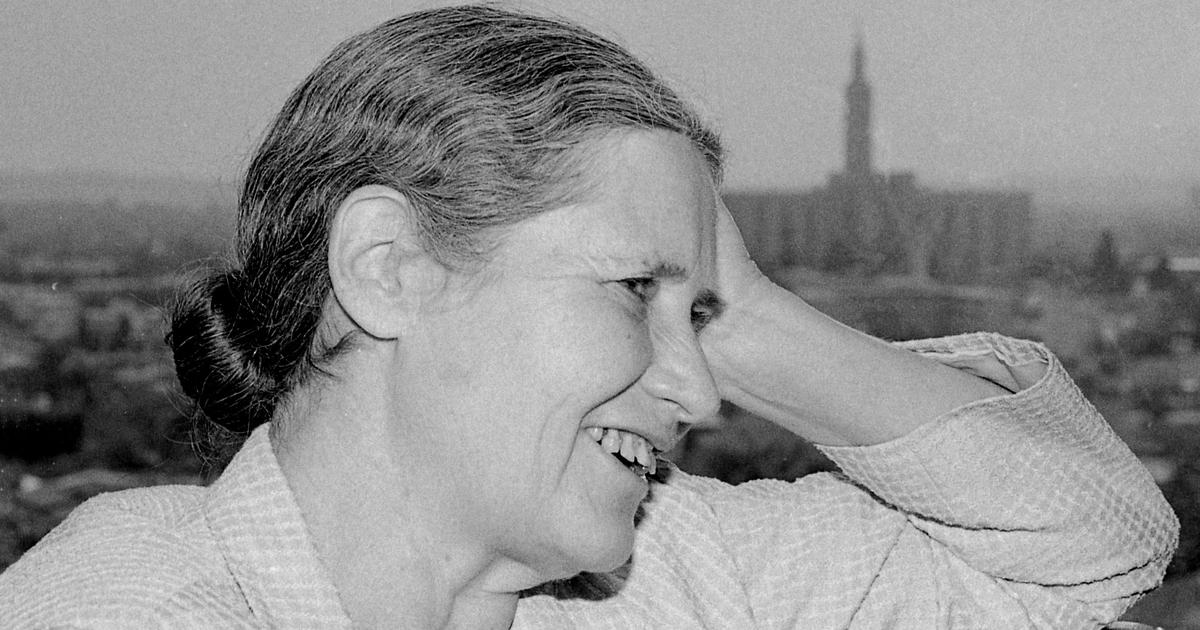
The longing for a child who is otherwise in physical proximity creates the strangest ambivalence. Lessing’s own life has similar resonances. It is no secret that she abandoned her two older children and moved to Britain with her youngest son after her marriage dissolved. She once said, “There is nothing more boring for an intelligent woman than to spend endless amounts of time with small children. I felt I wasn't the best person to bring them up.” In this novel, Harriet embodies both the good and the bad mother. Her maternal instincts, which had kicked in immediately with the other children, are activated belatedly for Ben only when she sees him in acute distress. The choice between saving her marriage and saving her son is clear – she’s a mother first.
And yet, the choice is rife with betrayals – to protect one, she must compromise the happiness of the other. Her motherhood is split into absurd dualities too – she can either be a loving mother to the children who are good to her or coerce the love of a child whom she does not understand. In doing so, her personhood fades out.
The horror in the novel relies as much on the unknowability of the sacrosanct mother–child relationship as it does on the attitudes surrounding disability and its caregiving. Ben, who is considered “Neanderthal” by his own mother, remains misunderstood even when she finally accepts him. Prone to animal cruelty and anger, Ben’s primitivism is his most human trait – a plain, brutal expression of what all of us once used to be.
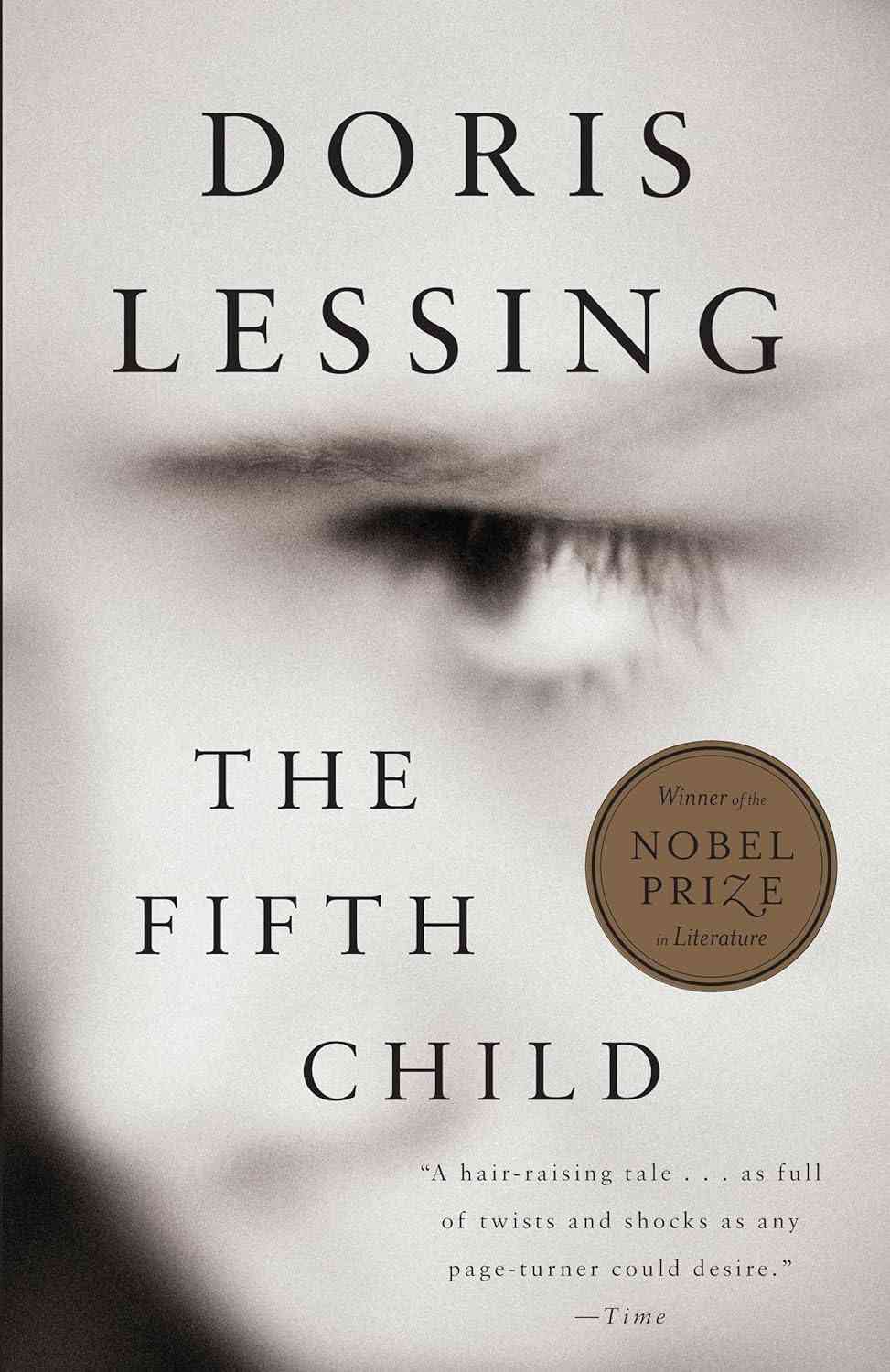
The Fifth Child, Doris Lessing, Vintage.
